Mastering Operator Synergy in Delta Force: The Ultimate Tips & Guide for Team-Based Success
Introduction
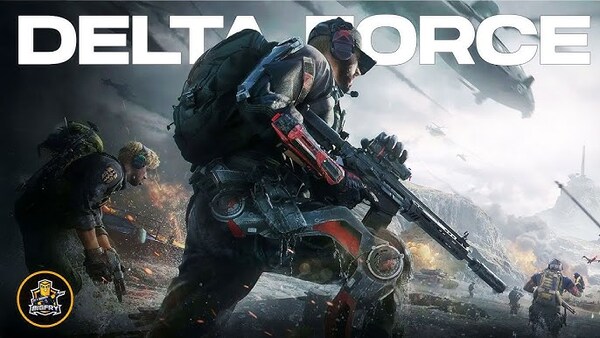
Introduce Delta Force as a tactical shooter where teamwork and operator abilities matter more than individual aim.
Explain that many beginners focus only on weapon customization while overlooking operator roles and squad coordination.
State that this guide focuses specifically on maximizing operator synergy from the first deployment through high-level matches.
Understanding Operator Roles Before Entering Battle
The Four Core Roles
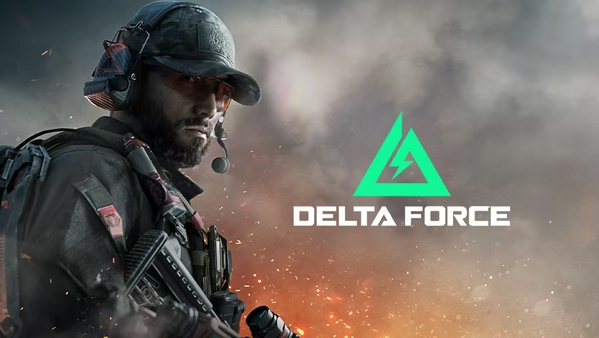
Assault
Support
Engineer
Recon
Choosing the Right Role for Your Playstyle
Explain the strengths and weaknesses of each role and when to switch depending on team composition.
Building the Best Loadout for Your Operator
Primary Weapons
Assault rifles
SMGs
LMGs
Sniper rifles
Secondary Equipment
Grenades
Medical items
Utility gadgets
Discuss how weapon choice should complement operator abilities rather than personal preference alone.
Learning the Map Before Fighting
Identifying Key Objectives
High ground
Chokepoints
Vehicle routes
Spawn locations
Understanding Rotation Paths
Explain why experienced players spend more time repositioning than rushing directly into combat.
Include a checklist for learning new maps efficiently.
Using Operator Abilities Effectively
Timing Your Abilities
Explain why using abilities at the correct moment creates more value than activating them on cooldown.
Combining Abilities With Teammates
Provide examples of coordinated ability usage during attacks and defenses.
Include practical team combinations
Mastering Squad Communication
Essential Callouts
Enemy positions
Vehicle threats
Objective status
Flanking routes
Communicating Without Overloading Teammates
Discuss concise callouts that improve decision-making.
Include examples of effective communication.
Winning Gunfights Through Positioning
Using Cover Correctly
Head glitches
Corners
Elevation
Natural terrain
Avoiding Common Positioning Mistakes
Explain why standing still after securing a kill often leads to being eliminated.
Discuss repositioning after engagements.
Managing Vehicles and Anti-Vehicle Combat
Operating Vehicles Efficiently
Explain the advantages and limitations of each vehicle type.
Countering Enemy Armor
Rocket launchers
Mines
Coordinated attacks
Discuss why teamwork is essential against armored targets.
Playing the Objective Instead of Chasing Eliminations
Capturing Objectives
Explain how objective control influences match outcomes more than kill counts.
Defending Strategic Areas
Discuss positioning, resource conservation, and coordinated defense.
Include examples from large-scale game modes.
Common Mistakes New Players Make
Ignoring Squad Members
Examples
Overextending Alone
Examples
Poor Gadget Usage
Explain why saving utility for critical moments increases effectiveness.
Include a checklist of habits to avoid.
Advanced Team Strategies for Competitive Play
Coordinated Squad Pushes
Suppression
Flanking
Smoke deployment
Revive chains
Adapting During Long Matches
Explain how successful teams adjust their strategy based on changing battlefield conditions.
Include examples of mid-match tactical adjustments.
Conclusion
Summarize how success in Delta Force depends on far more than mechanical aiming skills. Reinforce that understanding operator roles, building complementary loadouts, communicating effectively, controlling objectives, and coordinating abilities with teammates creates a stronger and more consistent squad. Encourage players to continuously refine their positioning, map awareness, and teamwork, as these fundamentals provide lasting improvements across every game mode and battlefield.