Celeste Lore: Madeline's Journey as a Mental Health Metaphor
Introduction

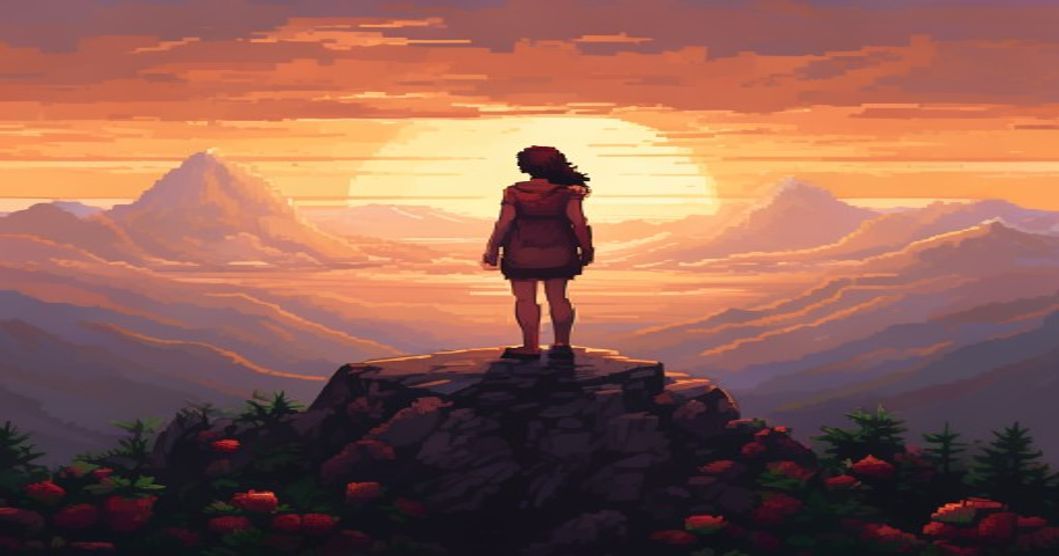
At first glance, Celeste is a tightly crafted platformer about a young woman climbing a mountain. But beneath its pixel-perfect jumps and deadly spikes lies a deeply personal story about mental health. Madeline's ascent of Celeste Mountain is a metaphor for her struggle with anxiety and depression, and every mechanic, character, and level reinforces this theme. Let's unpack the layers of this masterpiece.
Madeline's Inner Demons: The Birth of Badeline

Early in the game, Madeline encounters a dark reflection of herself—Badeline. This shadowy figure taunts her, plants doubts, and tries to convince her to give up. Badeline represents the negative self-talk that often accompanies depression and anxiety. She’s not a villain but a part of Madeline, embodying the fear, self-criticism, and hopelessness that many struggle with. The game uses Badeline to externalize an internal battle, making it tangible for players.
Each Chapter as a Stage of Grief
The game’s chapters mirror stages of coping with mental health challenges. In Chapter 1, Madeline is determined but reckless, ignoring her inner turmoil. By Chapter 3, she faces the consequences—anxiety manifests as falling debris and tight corridors. Chapter 6 features a forced confrontation with Badeline after Madeline tries to abandon her mountain attempt. This mirrors the turning point in recovery: you can't outrun your issues; you must face them.
The Reflection Scene
Chapter 6's mirror temple is a visual masterpiece. Madeline must literally jump between platforms that reflect her and Badeline. The reflection puzzle forces players to work with Badeline, using her abilities to progress. This symbolizes acceptance—Madeline starts to integrate her dark side, realizing that her anxiety and depression are not enemies but parts of herself that can be harnessed. The dialogue here is key: Madeline says, “I need you.” It’s a powerful message about self-compassion.
The Strawberry Collectibles as Coping Mechanisms
The optional strawberries scattered across levels are often frustrating to collect. They represent the small joys or coping mechanisms that can distract or help, but collecting them all is not necessary to finish the climb. Some are placed in perilous spots, echoing how even healthy coping strategies can feel risky. The game never demands that you collect them—just like real life, you choose what burdens to carry. The C-Sides, extreme difficulty variants, are for those who want to master their demons fully.
The Summit: Not an Ending, but a Beginning
When Madeline reaches the summit, she doesn’t get a clean victory. She’s exhausted, and Badeline is still there. The true ending, however, comes in the post-game content: Farewell. In Farewell, Madeline and Badeline finally work together harmoniously, using combined abilities to overcome the hardest obstacles. This shows that mental health is not about eliminating negative thoughts but learning to coexist with them. The final screen—a sunrise over the mountain—isn’t a cure; it’s a moment of peace.
Community and Acceptance
Celeste’s side characters, like Theo and Granny, offer different perspectives on struggle. Theo uses social media as an escape, while Granny speaks of aging and letting go. None of them have easy answers. The game’s message is that you are not alone, and climbing the mountain is a personal journey. The community’s love for Celeste often stems from this raw honesty. Players see themselves in Madeline’s panic attacks, her meltdowns, and her quiet victories.
Conclusion
Celeste turns a simple genre into a profound narrative about mental health. Every death, every respawn, and every heart-pumping screen teaches patience and kindness toward oneself. The mountain isn’t a problem to solve—it’s a part of you. And that’s what makes Celeste not just a great game, but an important one.